FunTriper
← Back to attractions

Sujeongjeon

South Korea · Seoul · Jongno District · Landmarks

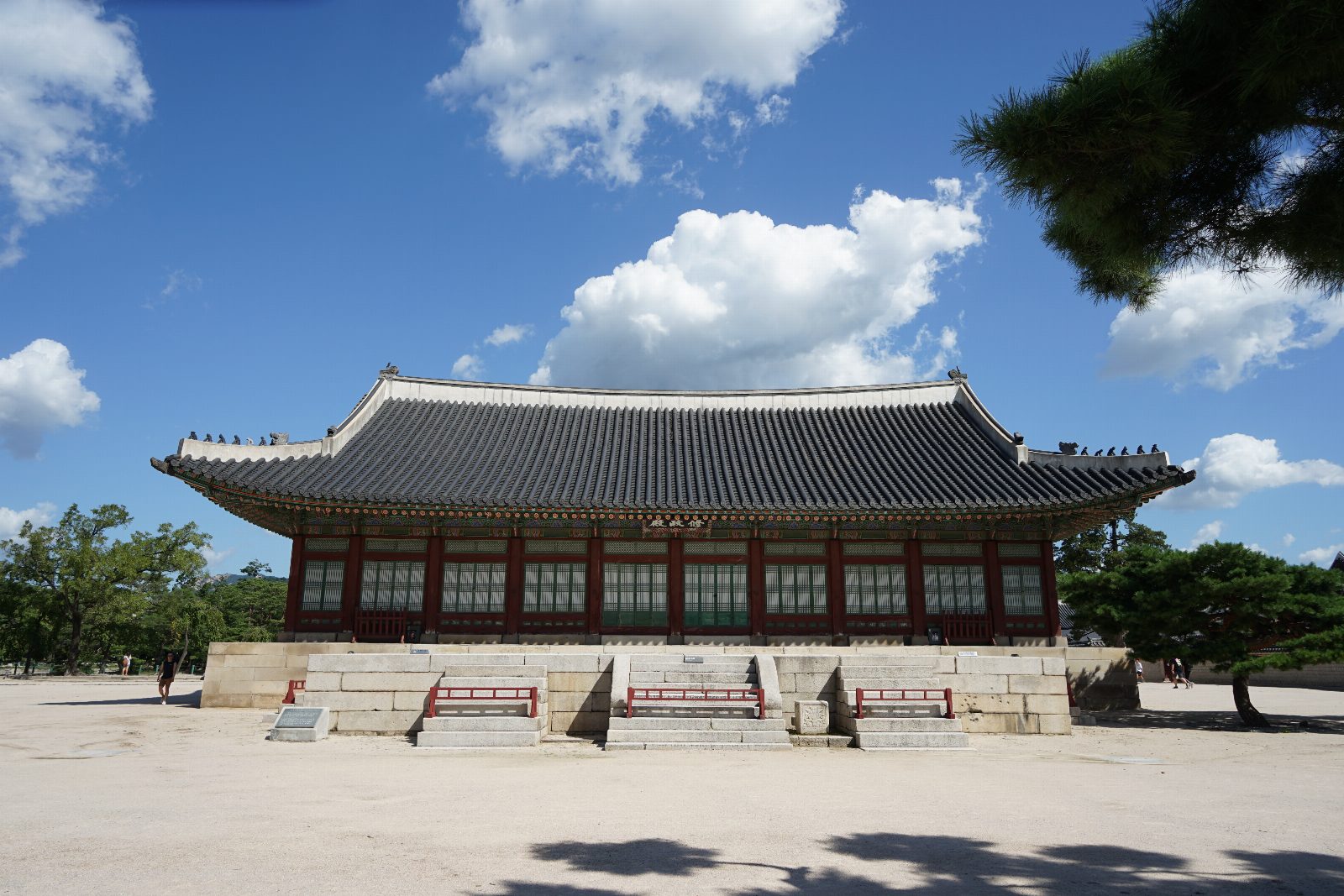
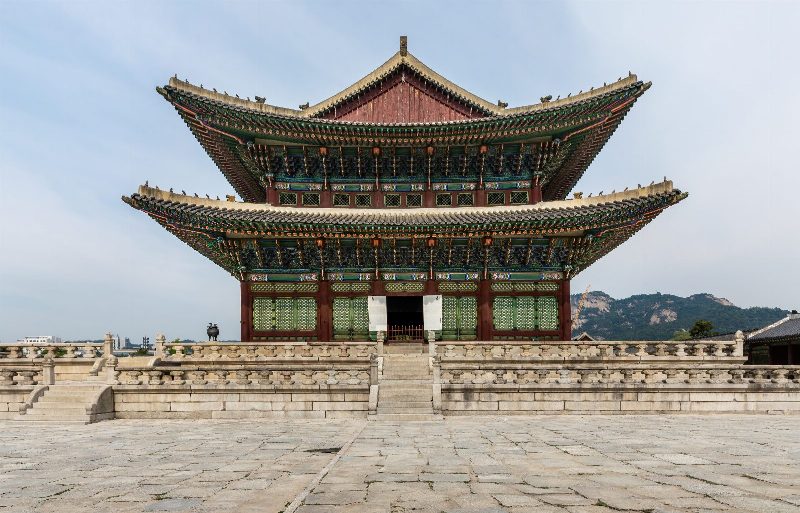
景福宮思政殿
De-Shao Liu (Terry850324) / CC BY-SA 4.0 — via Wikimedia Commons

Image source: Wikimedia Commons; license credits as shown.

Overview

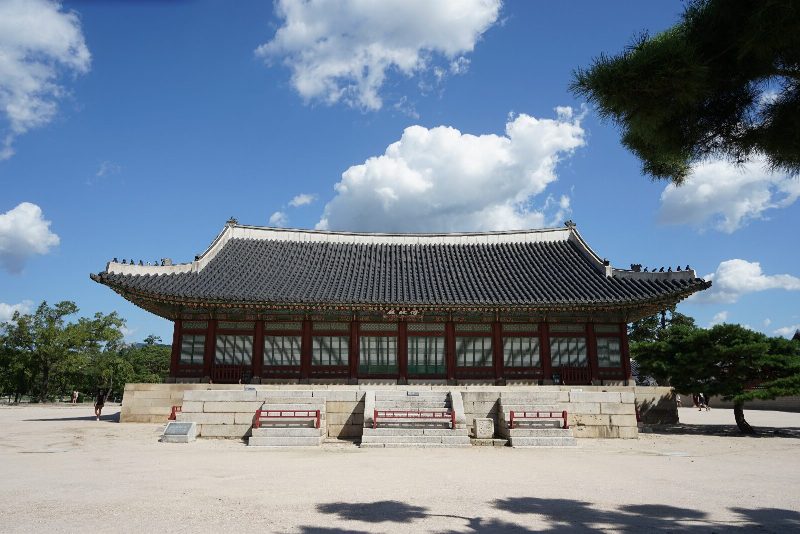
Sujeongjeon is a palace building within Gyeongbokgung in Seoul, designated as a national treasure of South Korea. The existing structure was rebuilt in 1867 and is located near the central axis of Gyeongbokgung. It was used as a space for government affairs and is closely related to the political activities during the reign of King Sejong and the history of the creation of Hangul.

Getting There

You can take Seoul Metro Line 3 to Gyeongbokgung Station and walk about 10 minutes to reach the interior of Gyeongbokgung before heading to Sujeongjeon.

Highlights

An important government building within the Joseon Dynasty palace. The existing structure was rebuilt in 1867 and holds significant historical and cultural value. Related to King Sejong the Great and the history of Hangul creation. Part of the core visiting route of Gyeongbokgung.

What to See

The main building of Sujeongjeon. The palace courtyards and traditional architectural complexes surrounding the central axis of Gyeongbokgung. Nearby major halls and squares of Gyeongbokgung that can also be visited.

Hours & Admission

Entry to Gyeongbokgung is through a general ticketing system, and Sujeongjeon does not have a separate ticket. The general opening hours of Gyeongbokgung vary by season and day of the week; please refer to on-site announcements for actual entry times and ticket prices.

Address

161 Sajik-ro, Jongno-gu, Seoul, South Korea, inside Gyeongbokgung

Travel Tips

It is recommended to visit in spring or autumn when the weather is more comfortable and the walking experience is better. You can visit key buildings of Gyeongbokgung such as Gwanghwamun, Geunjeongjeon, and Gyeonghoeru together. The area within the palace is large, so wearing comfortable shoes is advisable. There are subway stations and dining options nearby, making it suitable for a half-day trip.

Nearby Dining

There are many options for Korean set meals and traditional tea houses around Gyeongbokgung. You can find Hanok cafes and casual dining spots in the Jongno area. There are also several cafes and restaurants near Gwanghwamun and the Seochon area.

FAQ

What is Sujeongjeon? Sujeongjeon is a palace building within Gyeongbokgung, designated as a national treasure of South Korea. Do I need to buy a separate ticket for Sujeongjeon? No, Sujeongjeon is included in the overall admission to Gyeongbokgung. Where is Sujeongjeon located? Sujeongjeon is located within Gyeongbokgung in Seoul, South Korea, near the main central area of the palace. What is the historical significance of Sujeongjeon? It is related to the operation of government affairs during the Joseon Dynasty and the history of Hangul creation during the reign of King Sejong.
Map

More Info

Nearby Attractions

Gyeongbokgung Palace 0.1 km

Gyeongbokgung Palace

Jongno District · Landmarks

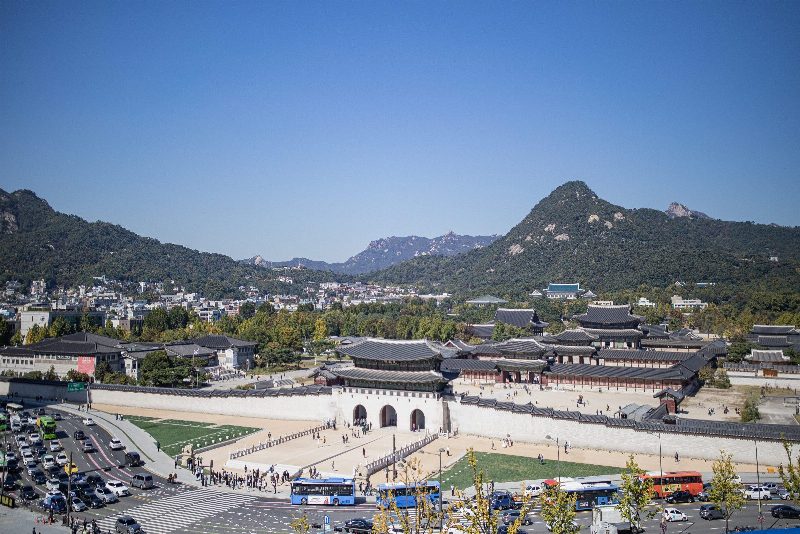
Gyeongbokgung Palace is the most important main hall and symbolic building within Gyeongbokgung in Seoul. It is also the core space for the coronation ceremonies, royal meetings, and significant national rituals of the Joseon Dynasty. The hall was originally built between 1394 and 1395, and the existing structure is a wooden hall reconstructed in the 19th century. It has been designated as South Korea's National Treasure No. 223 and is located in the central area of Gyeongbokgung in Jongno-gu, Seoul. Visitors typically start their exploration of Gyeongbokgung from Gyeongbokgung Palace, where they can enjoy an elegant view of the palace complex set against the backdrop of Bukhansan Mountain from the square.

Gyeongbokgung Palace 0.1 km

Gyeongbokgung Palace

Jongno District · Landmarks

Gyeongbokgung Palace is the main royal palace of the Joseon Dynasty located in the Jongno District of Seoul. Built in 1395, it sits on a vast terrain south of Bukaksan Mountain and is one of the most representative palaces in Korea. The palace retains significant historical monuments such as Gyeonghoeru Pavilion and Hyangwonjeong Pond, and visitors can also explore the National Palace Museum of Korea and the National Folk Museum of Korea nearby.

Kumho Museum of Art 0.2 km

Kumho Museum of Art

Jongno District · Landmarks

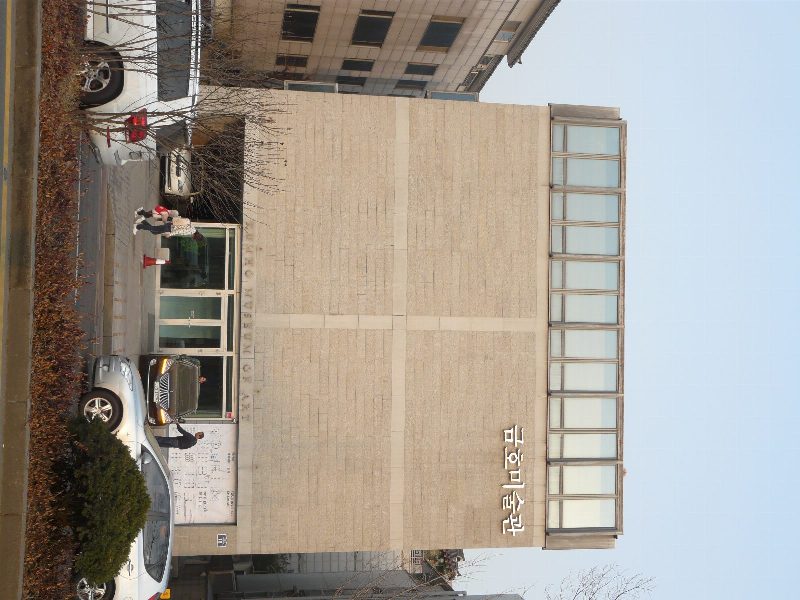
The Kumho Museum of Art is a modern and contemporary art museum located on Samcheong-ro in the Jongno District of Seoul, adjacent to the eastern side of Gyeongbokgung Palace and the Samcheong-dong arts and culture district. Founded by the Kumho Cultural Foundation, it began as the Kumho Gallery in 1989 and was expanded and relocated to its current site in 1996, with a core mission to support outstanding young Korean artists and promote contemporary art. In addition to permanent and special exhibitions, the museum features a chamber music hall, a café, and an art shop, creating a small yet refined cultural space that combines exhibitions and performances.

Tibet Museum (Seoul) 0.6 km

Tibet Museum (Seoul)

Jongno District · Museums, Culture & Arts

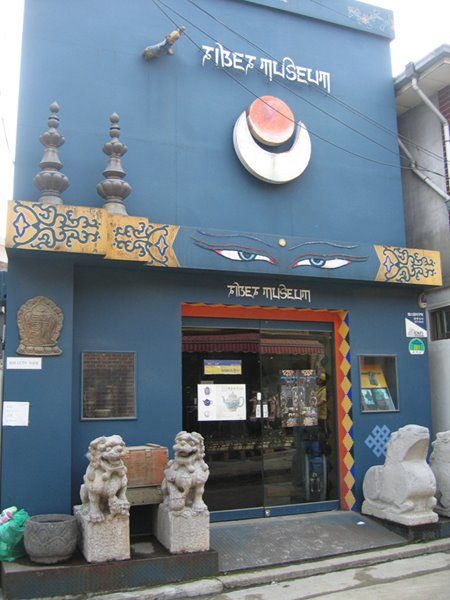
The Tibet Museum (Seoul) is a small specialized museum focused on Tibetan culture and Buddhist art, located in the traditional neighborhood of Sogyeok-dong in Jongno District, Seoul, South Korea. The museum houses approximately 600 artifacts and artworks related to Tibet, allowing visitors to gain an intimate understanding of Tibetan religion, history, and daily cultural life right in the heart of Seoul. It is conveniently situated near popular attractions such as Bukchon Hanok Village, Gyeongbokgung Palace, and Insadong, making it an ideal stop for a walking day tour.