Huang Zhuobin Western-style House
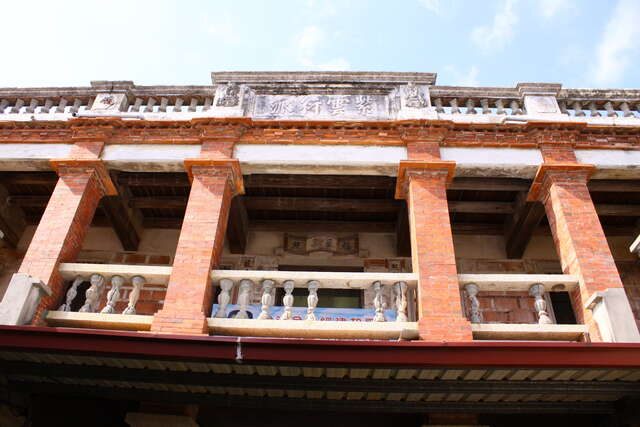
Image source: Taiwan_Opendata; license credits as shown.
Overview
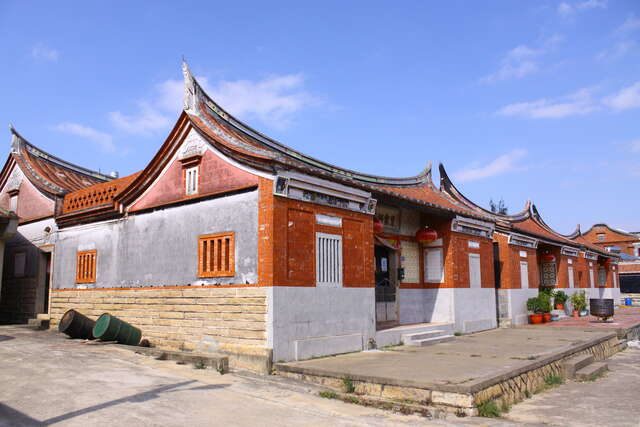
Built in the 1920s, this house was constructed with funds sent back home by Huang Zhuobin from Singapore. After its completion, it was used for residential purposes and was also occupied by the Kuomintang troops before the 823 Artillery Battle. After 1999, it was lent to the Ouyang family. The building features a two-story Western-style structure with a five-foot foundation, and its walls are made of five-foot foundation materials, with granite at the lower edges of the sides and back, and three pieces of red bricks at the upper edges. The structure includes a brick wall at the lower edge and plaster at the upper edge, employing a hard mountain beam support system.
Highlights
This **designated historical site in Kinmen County**, built with funds sent back by Huang Zhuobin from Singapore in the 1920s, has served as a residence and witnessed the changes in military and community life in Kinmen over different periods. The exterior belongs to the **two-story Western-style house with a five-foot foundation and a front courtyard**, showcasing the architectural style common during the overseas Chinese remittance period in Kinmen, reflecting the historical character of local communities. The building's facade still displays era-specific mud sculptures and slogans, possessing significant historical and artistic value, making it one of the important representative buildings of the Houputou community.
What to See
**Facade of the Western-style House**: Observe the overall layout of the two-story structure and front courtyard, as well as the common facade proportions and openings found in overseas Chinese houses. **Architectural Material Details**: The main wall, granite at the lower edges of the sides and back, red bricks, and plaster techniques reveal the construction methods and materials used at the time. **Defensive Design**: Gun ports are located on both sides of the main entrance and other doorways, reflecting the architectural features that catered to both residential and protective needs in earlier times. **Mud Sculpture Decorations**: Decorations such as angel mud sculptures on the gable and eagles on the exterior wall showcase the artistic and stylistic elements of the Western-style house. **Historical Traces**: Pay attention to the spatial traces and exterior wall slogans left from military use, which are important clues for understanding Kinmen's modern history.
Travel Tips
**Best combined with a community walk**: It is recommended to arrange a visit to Huang Zhuobin Western-style House along with the surrounding Houputou community to better experience the overall atmosphere of traditional Kinmen communities and Western-style houses. **Visit during the day**: The exterior mud sculptures, gun ports, and architectural details are best observed and photographed in natural light. **Check restoration and accessibility status**: Restoration work has been conducted here, so it is advisable to confirm whether there are ongoing construction, barriers, or repurposing arrangements before visiting. **Wear suitable walking gear**: The surrounding area is primarily for walking along community roads and alleys, so it is recommended to wear comfortable shoes and be mindful of sun exposure. **Respect the historical site and residents' space**: This building has historical significance and is used for residential purposes. If there are ongoing repurposing or private usage arrangements, please avoid causing any disturbances.
FAQ
**What is Huang Zhuobin Western-style House?** This is a century-old Western-style house monument located in Kinmen, built in the 1920s with funds sent back by Huang Zhuobin from Singapore. **What are its features?** It features a two-story structure with a five-foot foundation and retains architectural details such as granite, red bricks, plaster, gun ports, and mud sculpture decorations. **What was its previous use?** After its completion, it was used for residential purposes, and the Kuomintang troops occupied it before the 823 Artillery Battle. It later had records of other temporary residences and military uses. **How should it be visited now?** It is suitable for a walk to observe the exterior details along with the Houputou community, with a principle of respecting the historical site and on-site management during the visit.