
Jongno District · Landmarks
Curated travel attractions — browse by region or category.
Region
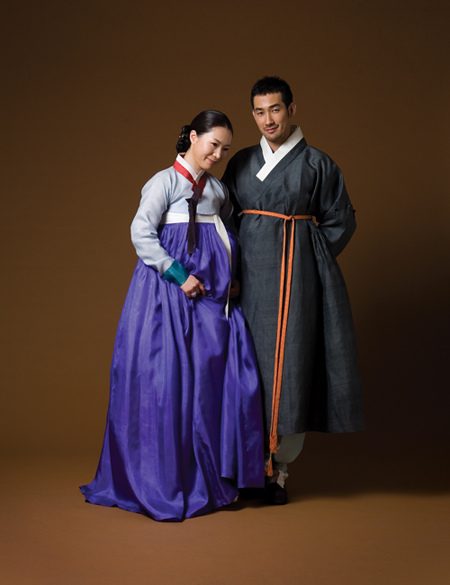
Korea Museum of Modern Costume
Jongno District · Landmarks
The Korea Museum of Modern Costume, located in Seoul, is a museum themed around Korean modern and contemporary clothing and fashion culture, which opened in 1993. The museum focuses on academic and exhibition purposes and is associated with campus facilities, making it suitable for travelers interested in Hanbok, clothing history, and design culture.
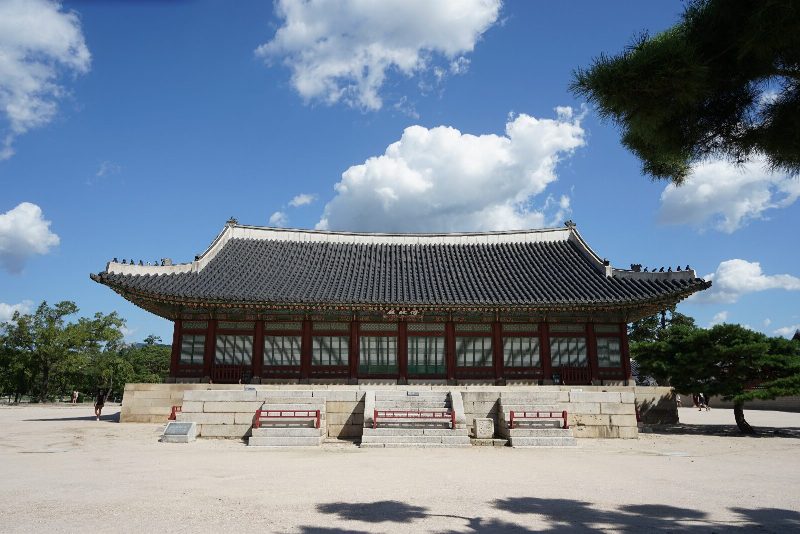
Sujeongjeon
Jongno District · Landmarks
Sujeongjeon is a palace building within Gyeongbokgung in Seoul, designated as a national treasure of South Korea. The existing structure was rebuilt in 1867 and is located near the central axis of Gyeongbokgung. It was used as a space for government affairs and is closely related to the political activities during the reign of King Sejong and the history of the creation of Hangul.
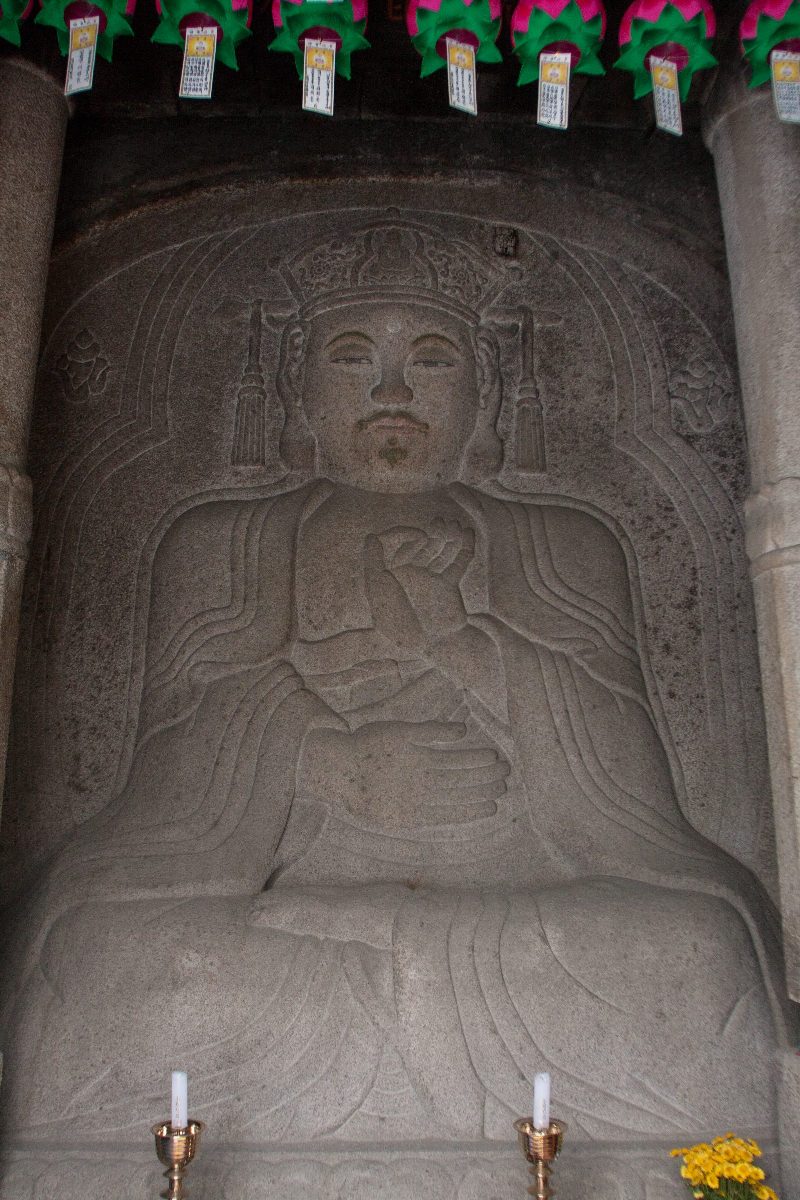
Anyangam Seated Avalokiteshvara Statue
두산아파트 · Landmarks
The Anyangam Seated Avalokiteshvara Statue is located within the Anyangam in Changsin-dong, Jongno District, Seoul. It is a Buddhist statue carved directly from a rock wall. Designated as Seoul's tangible cultural heritage No. 122 in 1999, it is one of the important stone Buddhist statues from the late Joseon period, currently managed by Anyangam.
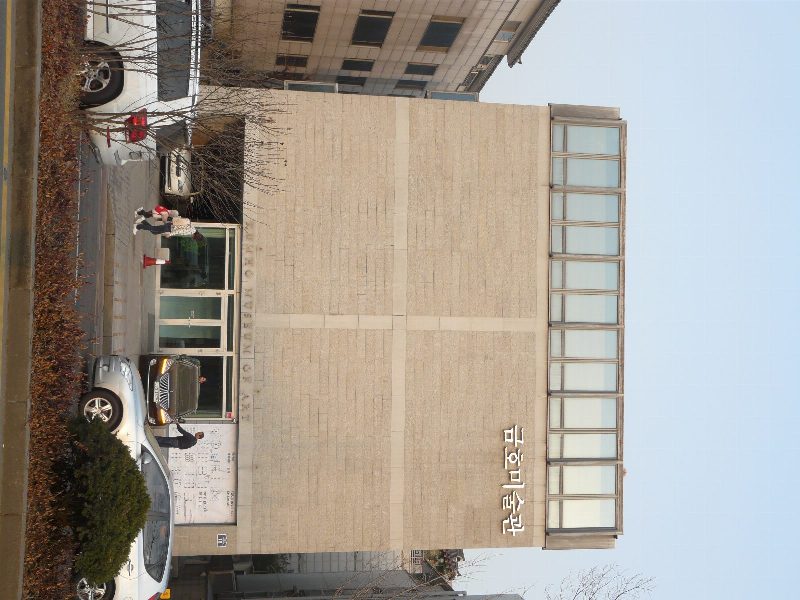
Kumho Museum of Art
Jongno District · Landmarks
The Kumho Museum of Art is a modern and contemporary art museum located on Samcheong-ro in the Jongno District of Seoul, adjacent to the eastern side of Gyeongbokgung Palace and the Samcheong-dong arts and culture district. Founded by the Kumho Cultural Foundation, it began as the Kumho Gallery in 1989 and was expanded and relocated to its current site in 1996, with a core mission to support outstanding young Korean artists and promote contemporary art. In addition to permanent and special exhibitions, the museum features a chamber music hall, a café, and an art shop, creating a small yet refined cultural space that combines exhibitions and performances.
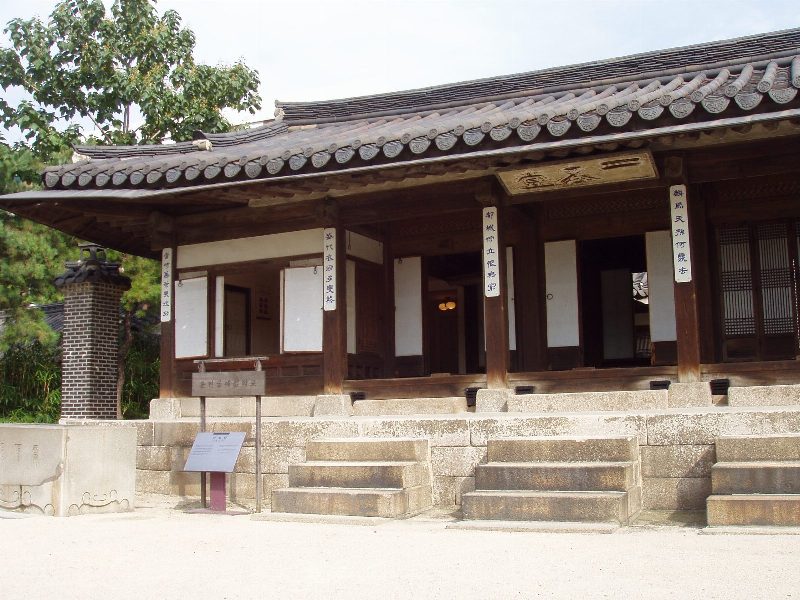
Unhyeongung
Jongno District · Landmarks
Unhyeongung is a historical site from the Joseon Dynasty located in the Jongno District of Seoul. It was once the private residence of Heungseon Daewongun and the place where Gojong was born and spent his childhood. The preserved buildings today include Old Andong, Old Yeokdang, and Erang Hall, which are open for free visits and offer experiences of traditional weddings and palace cultural activities.
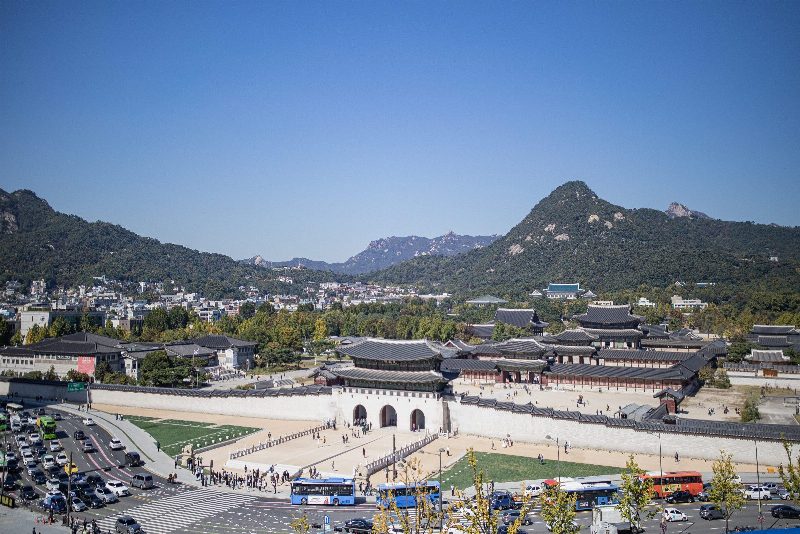
Gyeongbokgung Palace
Jongno District · Landmarks
Gyeongbokgung Palace is the main royal palace of the Joseon Dynasty located in the Jongno District of Seoul. Built in 1395, it sits on a vast terrain south of Bukaksan Mountain and is one of the most representative palaces in Korea. The palace retains significant historical monuments such as Gyeonghoeru Pavilion and Hyangwonjeong Pond, and visitors can also explore the National Palace Museum of Korea and the National Folk Museum of Korea nearby.
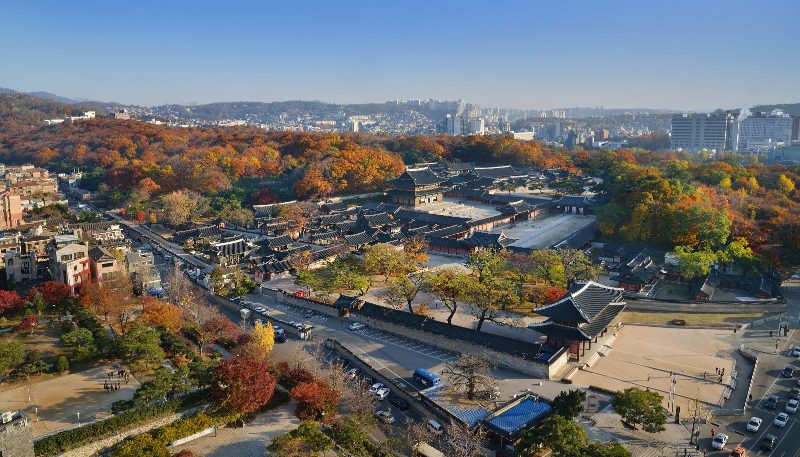
Changdeokgung Palace
Jongno District · Landmarks
Changdeokgung Palace is a Joseon Dynasty palace located in the Jongno District of Seoul, situated to the east of Gyeongbokgung Palace, and is therefore also known as 'East Palace'. It is famous for being one of the best-preserved palaces in Korea and was designated a UNESCO World Heritage Site in 1997, with the rear garden being the most popular highlight among visitors.

Jongmyo Shrine
Jongno District · Landmarks
Jongmyo Shrine is a UNESCO World Heritage site located in the Jongno District of Seoul, serving as the royal ancestral shrine for the kings and queens of the Joseon Dynasty. The area is surrounded by vast pine forests and traditional Korean architecture, creating a solemn and tranquil atmosphere, making it a representative site for understanding Korean Confucian ritual culture and royal ceremonies. Jongmyo is adjacent to traditional neighborhoods such as Insa-dong and Ikseon-dong, making it an ideal part of a day trip exploring the cultural heritage of Seoul.
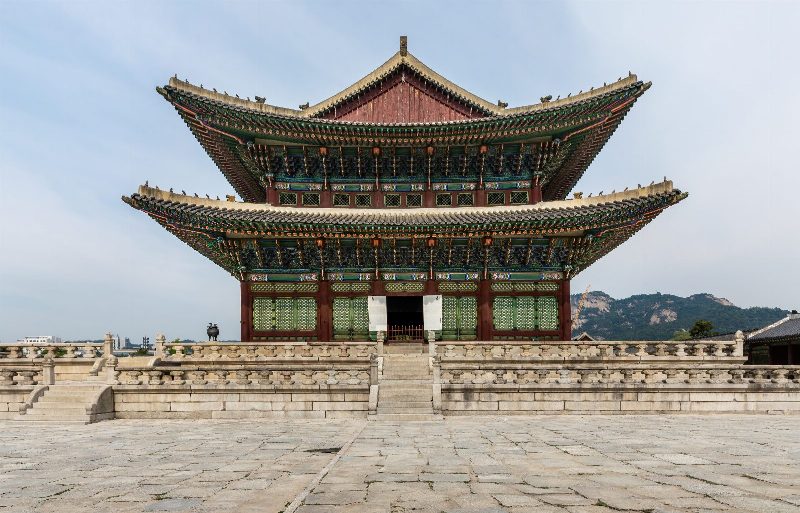
Gyeongbokgung Palace
Jongno District · Landmarks
Gyeongbokgung Palace is the most important main hall and symbolic building within Gyeongbokgung in Seoul. It is also the core space for the coronation ceremonies, royal meetings, and significant national rituals of the Joseon Dynasty. The hall was originally built between 1394 and 1395, and the existing structure is a wooden hall reconstructed in the 19th century. It has been designated as South Korea's National Treasure No. 223 and is located in the central area of Gyeongbokgung in Jongno-gu, Seoul. Visitors typically start their exploration of Gyeongbokgung from Gyeongbokgung Palace, where they can enjoy an elegant view of the palace complex set against the backdrop of Bukhansan Mountain from the square.
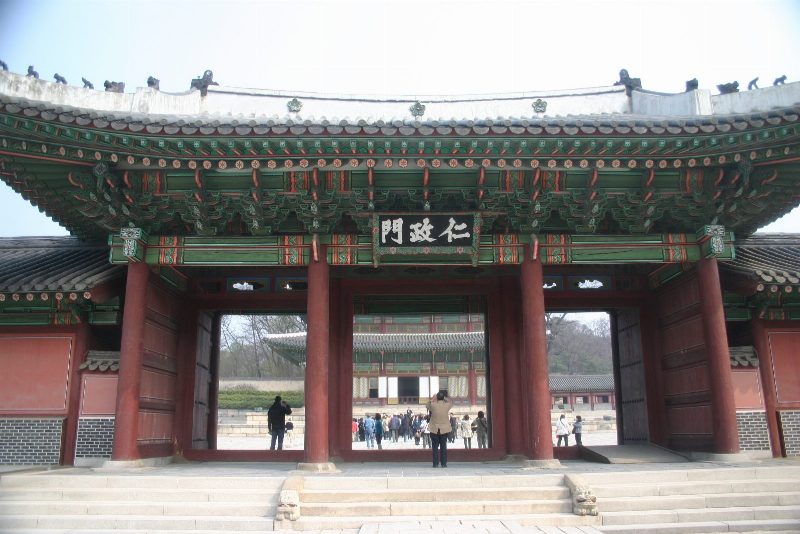
Changdeokgung Palace Injeongmun
Jongno District · Landmarks
Changdeokgung Palace Injeongmun is the main gate leading to the main hall of Changdeokgung Palace, known as Injeongjeon, located within the UNESCO World Heritage site of Changdeokgung in the Jongno District of Seoul. Injeongmun was originally built in the fifth year of King Taejong's reign (1405), and after being damaged during the Imjin War, it was rebuilt in the first year of King Gwanghaegun's reign (1608). It was further restored during the reign of King Yeongjo due to a fire, witnessing the rise and fall of the Joseon Dynasty throughout its history.
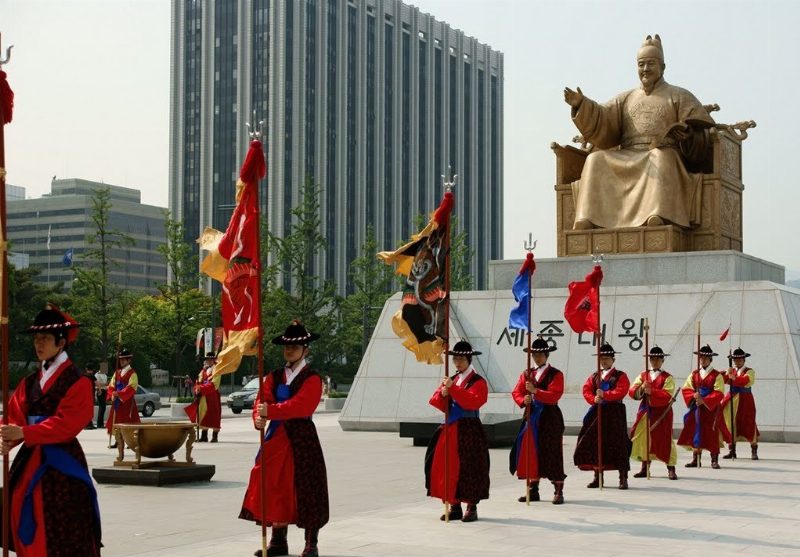
Statue of Sejong the Great
Jongno District · Landmarks
The Statue of Sejong the Great is located in Gwanghwamun Square in Seoul and serves as an important landmark commemorating the fourth king of the Joseon Dynasty, Sejong the Great. In front of the statue, visitors can see exhibitions on science and history, while behind it is the Sejong Story Museum, making it a great addition to a visit to Gyeongbokgung Palace and the Gwanghwamun area.
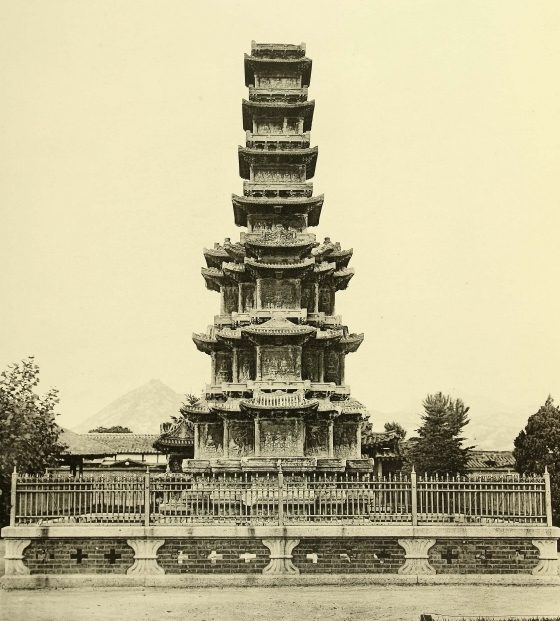
Wongaksa Temple Site Ten-Story Stone Pagoda
Jongno District · Landmarks
The Wongaksa Temple Site Ten-Story Stone Pagoda is a representative stone pagoda from the Joseon Dynasty located in Tapgol Park, Jongno District, Seoul. It is also designated as National Treasure No. 2 of South Korea. The pagoda is carved from stone to resemble wooden construction and is well-preserved, currently displayed under glass protection in the heart of Seoul, connected to the modern historical landscape of Tapgol Park.