
Must-See Attractions in Jinsha Township
Taiwan · Kinmen County · Jinsha Township
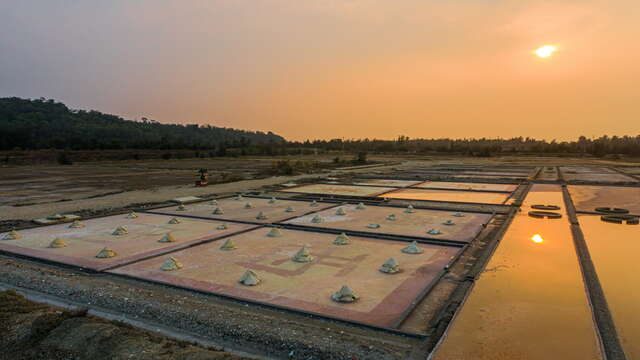
Xiyuan Salt Fields
Jinsha Township · Museums, Culture & Arts
Located in Jinsha Township, Xiyuan Salt Fields introduces visitors to Kinmen’s salt-making industry, which has a history of nearly 1,100 years. The site uses illustrated displays to present the unique features of Kinmen’s salt industry and the role salt played in the daily lives of local residents.
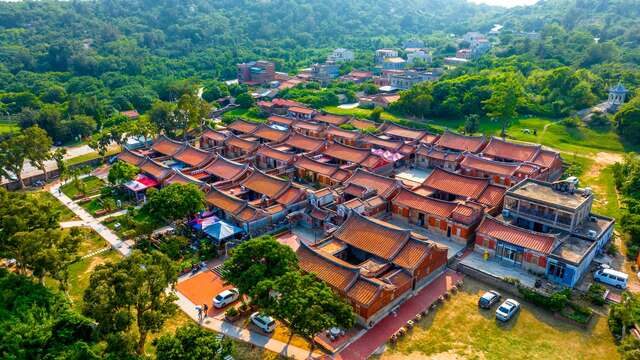
Shanhou Folk Culture Village
Jinsha Township · Museums, Culture & Arts
When visiting Kinmen, if you want to see a complete ancient house settlement, you must not miss the Shanhou Folk Culture Village located in Jinsha Township!
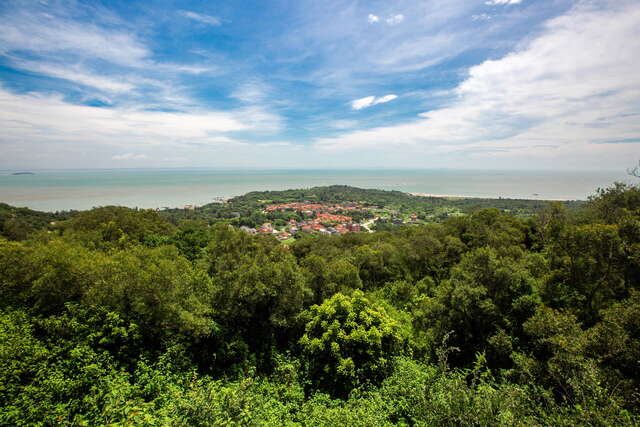
Wuhu Mountain
Jinsha Township · Nature & Scenery
Wuhu Mountain is located near the Shanhou settlement. It stands 127 meters tall and is Kinmen’s second-highest mountain. The summit has a viewing platform and is well suited for hiking and trekking. From there, visitors can overlook Shanhou Village and gaze across to the opposite shore.
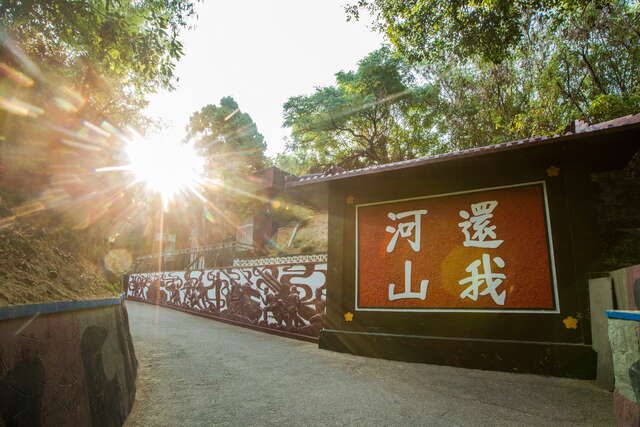
Masan Observation Station
Jinsha Township · Historic Sites
Located in Jinsha Township, Masan is only 2,100 meters away from the opposite Jiao Island, and during low tide, it is even just 1,800 meters away, making it the closest point between Kinmen and the mainland. In the past, it served as a military fortress for observing maritime activities across the strait and is known as 'The First Outpost in the World.'
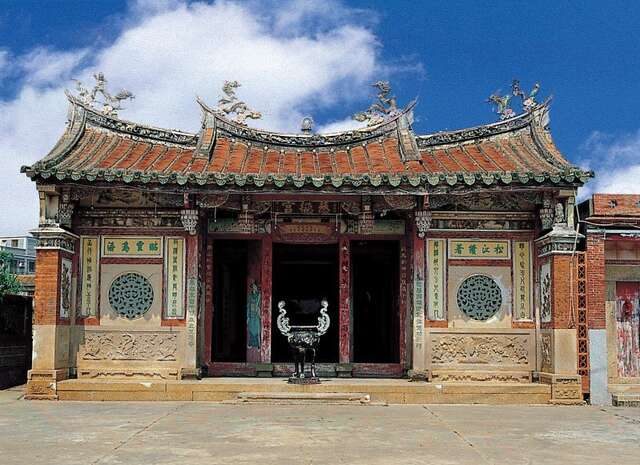
Cide Temple
Jinsha Township · Historic Sites
Cide Temple is a temple dedicated to Huang Wei, honored as a model of moral virtue. Its distinctive craftsmanship is showcased in three main areas: Koji pottery, cut-and-paste ceramics, and stone carving. The Koji pottery includes six panels on the dragon-and-tiger walls, mirror walls, and opposing walls, each vividly lifelike.