
Best Historic Sites in Jincheng Township
Taiwan · Kinmen County · Jincheng Township
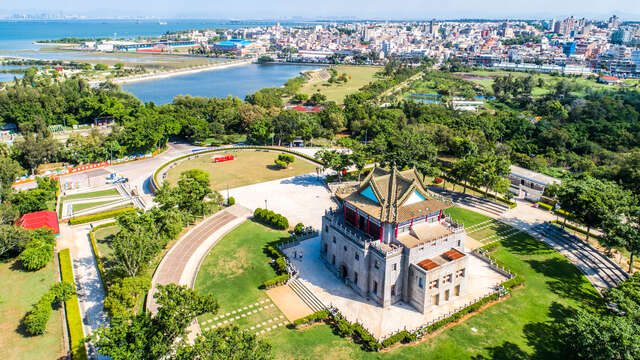
Juguang Tower
Jincheng Township · Historic Sites
Facing the beautiful scenery of Jincheng and backed by the Fonglian Mountain Range, first-time visitors to Kinmen should definitely climb Juguang Tower to take in the island’s views. As a symbol of Kinmen’s spirit, Juguang Tower combines a traditional Chinese watchtower design with a modern building base, creating a distinctive architectural beauty.
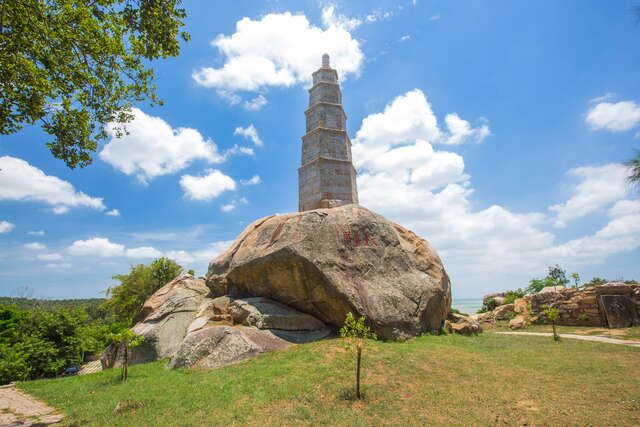
Wentai Pagoda
Jincheng Township · Historic Sites
Wentai Pagoda was built in the Ming dynasty in 1387 (Hongwu 20) and is one of the three stone pagodas ordered by the Hongwu Emperor and built on Kinmen by Zhou Dexing, the Marquis of Jiangxia. It is also the only Ming-dynasty stone pagoda in Kinmen that has not been destroyed by war or damaged by shellfire.
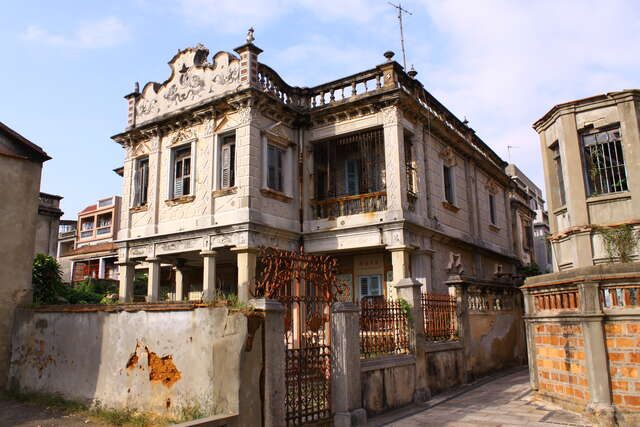
Chen Shiyin Mansion
Jincheng Township · Historic Sites
Chen Shiyin Mansion was built in 1932 with an investment of 30,000 silver dollars by Chen Shiyin of Gaokeng, Kinmen, who made his fortune through business in Singapore and Indonesia after going abroad in 1903 during the late Qing dynasty. It was designated a county-level historic site in 2006.
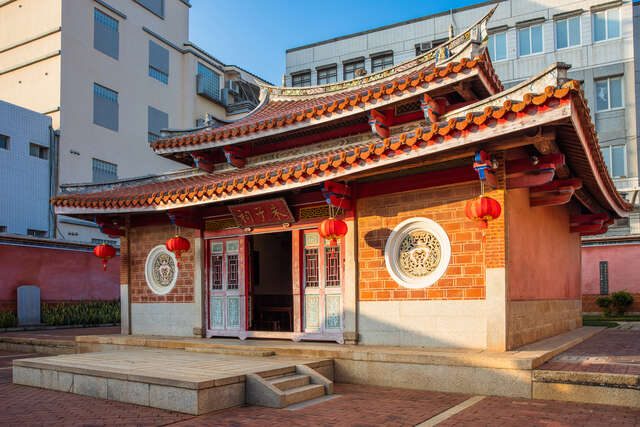
Zhuzi Shrine
Jincheng Township · Historic Sites
The Kinmen Zhuzi Shrine was established in the 26th year of the Kangxi reign of the Qing dynasty (1687) and originally set up within Wujiang Academy. In the 35th year of the Qianlong reign (1770), Assistant Magistrate Cheng Yu, finding the academy too cramped, proposed building a hall and surrounding wings, but the plan was not completed because he left office. The property was later purchased by the local notable Huang Rushi and converted back into an academy, with altars dedicated to Zhuzi, Kui Xing, the Wenchang Emperor, the God of Earth and Wealth, and Kinmen worthies such as Xu Sheng, Lü Dakui, Lin Xiyuan, Wang Lixing, Qiu Kui, and Xu Xie. In the 46th year of the Qianlong reign (1781), the original academy site was requisitioned for the county assistant magistrate’s office, and a new academy and Zhuzi Shrine were rebuilt on the former site of the local charity school to the west.

Kuige (Kuixing Tower)
Jincheng Township · Historic Sites
Kuige, known locally in Kinmen as the "Kuixing Tower," is also called Kuigou or the Bagua Tower. It is a place of worship dedicated to Kuixing, one of the Five Wenchang deities in Chinese tradition. Because Kinmen was formerly not a county and therefore could not build a Confucius Temple, local people created this site so students would have a place to pray for good fortune before taking the imperial examinations. It was proposed by Lin Feizhang, a local notable from Houpu who had earned the degree of gongsheng, and he donated 1,000 taels of silver to fund its construction. The tower was built in 1836 during the 16th year of the Daoguang reign of the Qing dynasty at Tushan Head in Houpu, near what is now the Chen Shiyin Western-style house. It has a refined, rustic appearance and more than 180 years of history. Although it was renovated twice in 1955 and 1963, its original appearance was preserved, and it is listed as a county-designated historic site.
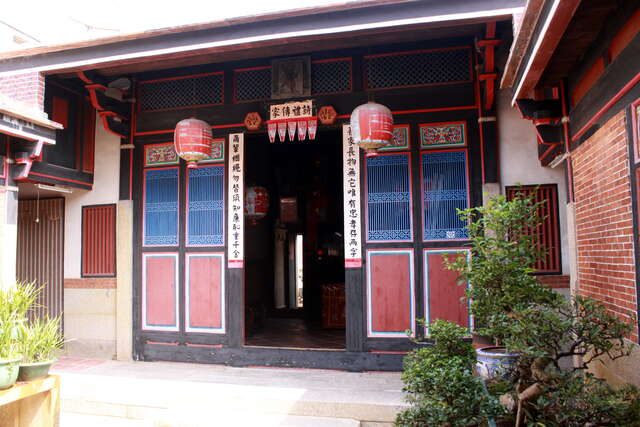
General's Residence
Jincheng Township · Historic Sites
The General's Residence is the former home of Lu Chengjin, who was posthumously granted the title of Martial Manifest General in the late Qing dynasty. Lu Chengjin, courtesy name Weili and art name Fenting, was born in the second year of the Daoguang reign and died in the twentieth year of the Guangxu reign.
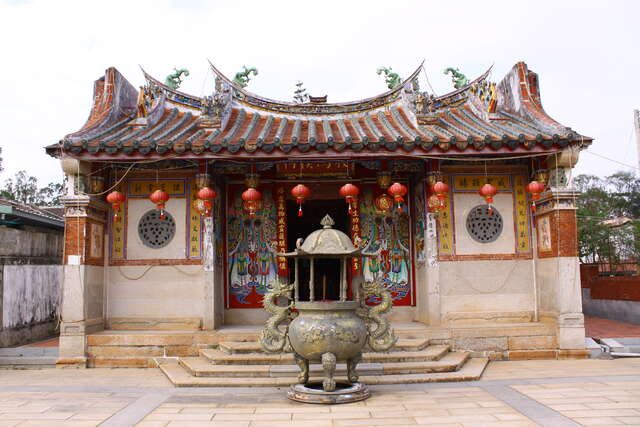
Fenglianshan Muma Hou Shrine
Jincheng Township · Historic Sites
A traditional three-section temple dedicated to Chen Yuan, the revered "Lord Who Opened Kinmen," this site was rebuilt during the Daoguang reign of the Qing dynasty and is now listed as a county-designated historic monument. According to legend, Chen Yuan often manifested to drive off Japanese raiders and protect the local people. The court therefore ordered the construction of a large seven-section temple, bestowed the plaque name "Fuji," and posthumously honored him as the "Sacred Marquis of Blessing and Protection"—the origin of Muma Hou Shrine. The temple still preserves the ancient "Fuji" plaque and Qing-era stele, while the dragon-and-tiger walls and the ridgeline decorations of figurines, ceramic work, and clay sculpture are also worth close attention.
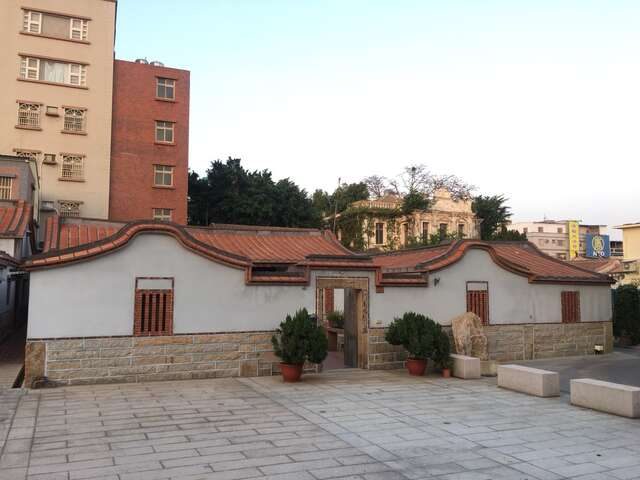
Qiu Lianggong Historic House
Jincheng Township · Historic Sites
This building is the ancestral home of Qiu Lianggong, located in the middle section of Wujiang Street in Jincheng Township. Inside, it still preserves a square bronze mirror and two carved stone tablets with dragon motifs and imperial edicts. The tablets are 61 cm high and 85 cm wide, and the two characters for “imperial edict” on each tablet are said to measure about 12 cm square. According to local tradition, when Lianggong was granted a noble title, the emperor heard that his family residence was very modest and therefore ordered the construction of a noble mansion, presenting these two edict stones to be placed in front of the mansion gate. The building is a one-hall-four-wing layout with a left projecting extension and wall enclosure.
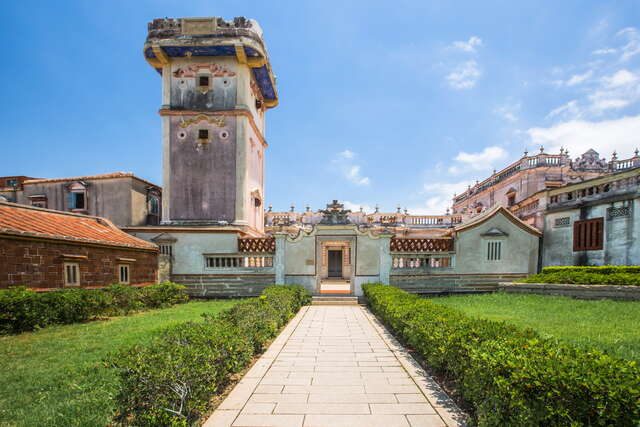
De Yue Lou
Jincheng Township · Historic Sites
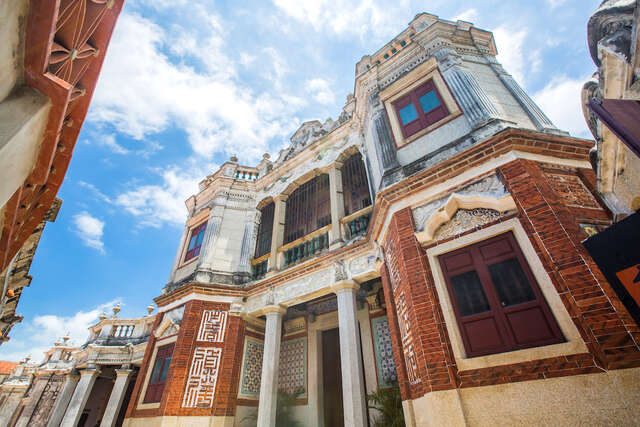
De Yue Lou was built in 1931, commissioned by Huang Huihuang, who became wealthy through commerce in the Shuitou settlement, and designed and constructed by craftsman Chen Nanan from Fujian. It is a towering building and was the tallest structure in the Shuitou settlement at that time, named 'De Yue Lou' meaning 'the pavilion by the water gets the moon first.'
Huang Hui-Huang Western House
Jincheng Township · Historic Sites
Among the western-style houses built by the Huang family in Shuitou, Huang Hui-Huang Western House is the most magnificent, as it includes the De Yue Building as part of its structure. The facade of the house features small lions and angel statues, while the rest includes mud sculptures of peacocks, scrolls, flowers, birds, elephants, butterflies, and the double dragons competing for pearls on the main beams, all crafted by artisans from Kinmen.